Rome in 5 Days: Discovering the Eternal City Step by Step
Architecture Student Travel Diary Days 3, 4 and 5
Rome in 5 Days: Discovering the Eternal City Step by Step Architecture Student Travel Diary Days 3, 4 and 5
Day 3 Between Contemporary Architecture and Spiritual Grandeur
After being immersed in ancient and classical Rome, Day 3 introduced a completely different perspective: the coexistence of contemporary design and historical weight.
Morning at the MAXXI Museum
Visiting the MAXXI Museum was like stepping into another architectural language. The fluid forms, curved lines, and dynamic spaces contrasted strongly with the rigid geometry and symmetry we had been observing in the previous days.
The building does not guide you in a linear way it invites exploration. Ramps intersect, views overlap, and movement becomes part of the spatial experience. As students, this made us reflect on how architecture today focuses not only on form, but also on how people move and interact within space.
What stood out the most was how this contemporary building exists within Rome without trying to imitate the past. Instead, it respects it by being clearly of its own time.
Afternoon at the St. Peter's Square and St. Peter's Basilica
Before reaching the vastness of St. Peter’s Square and the impressive St. Peter’s Basilica, we had the opportunity to explore the Vatican Museums. Walking through its galleries felt like moving across centuries of art history gathered in a single place. Paintings, sculptures, ancient maps, and rooms richly decorated with frescoes turn the visit into an experience that goes far beyond simple tourism.
One of the most striking moments was observing the incredible level of detail in the ceilings and walls, where each room seems to tell a different story.
As we moved through the corridors, the atmosphere became increasingly quiet and contemplative, as if the space itself invited us to slow down and observe more carefully.
For us, as students, it was a unique opportunity to understand how art, architecture, and history can be integrated into a single spatial journey.
It is not just about admiring famous works, but about experiencing how each room leads you to the next, building a visual narrative that culminates in some of the most iconic spaces of the Vatican.
in the vatican
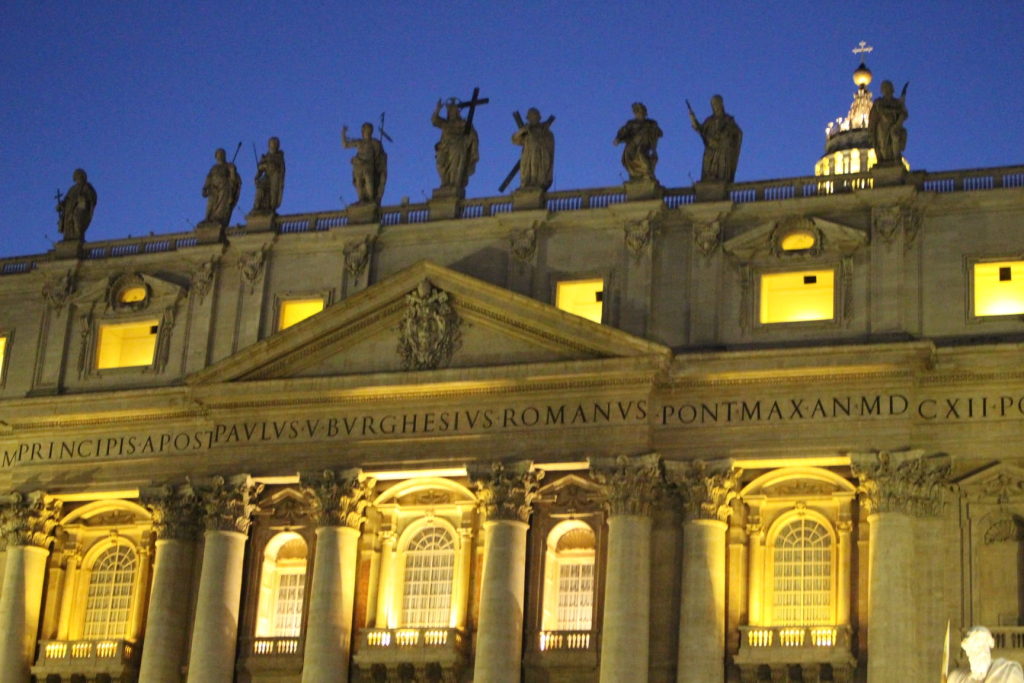
In the afternoon, we moved toward one of the most significant places in the world: the Vatican.
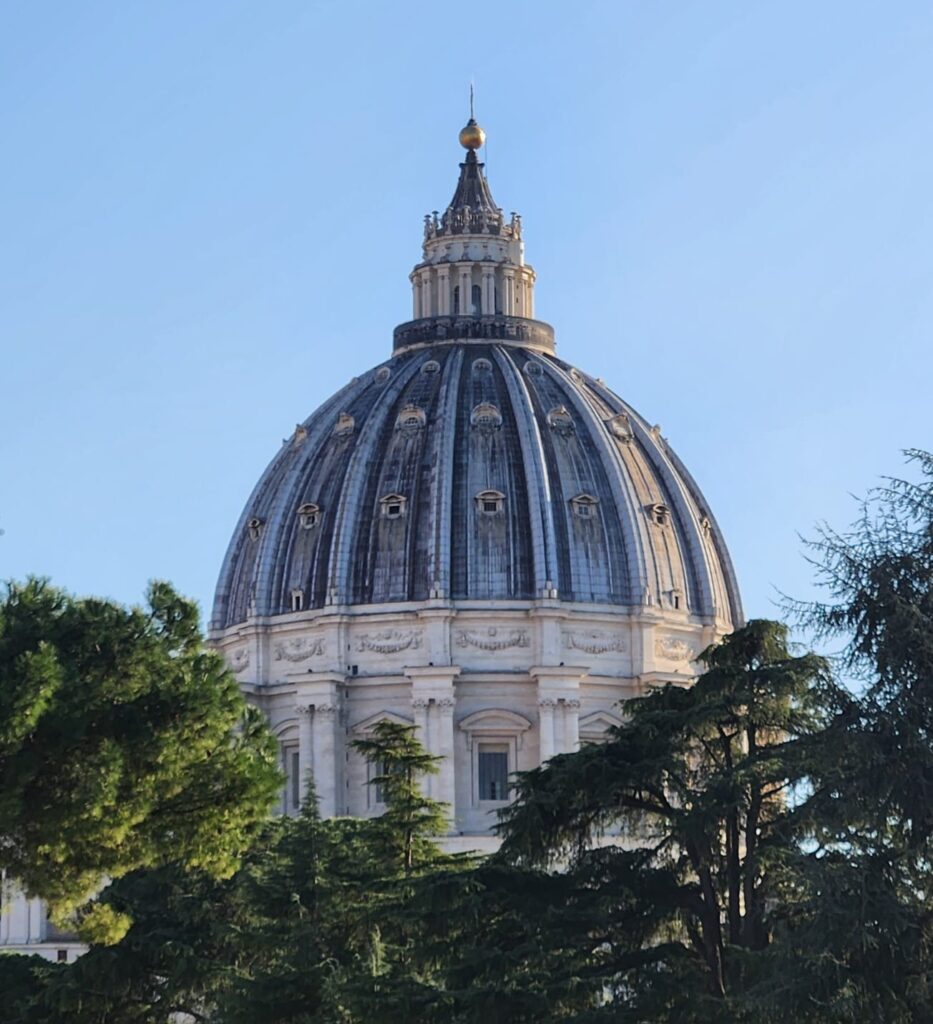
Entering St. Peter’s Square is overwhelming. The vast open space, framed by monumental columns, creates a sense of order and unity. As you move forward, the scale of St. Peter’s Basilica becomes even more powerful its dome dominating the skyline.
Inside, the experience shifts again. The space feels infinite, filled with light, detail, and silence. Regardless of personal beliefs, it is impossible not to feel the weight of history and the intention behind every element.
This was not just architecture it was symbolism, power, and spirituality expressed through space.
By the end of the day, we had experienced two extremes: the fluidity of contemporary design and the permanence of monumental tradition.
Day 4 The Many Rhythms of Rome
Day 4 was about walking again but this time with a deeper awareness. The city no longer felt unfamiliar. We began to move through it with more confidence, noticing details we might have missed before.
The Perfection of the Pantheon
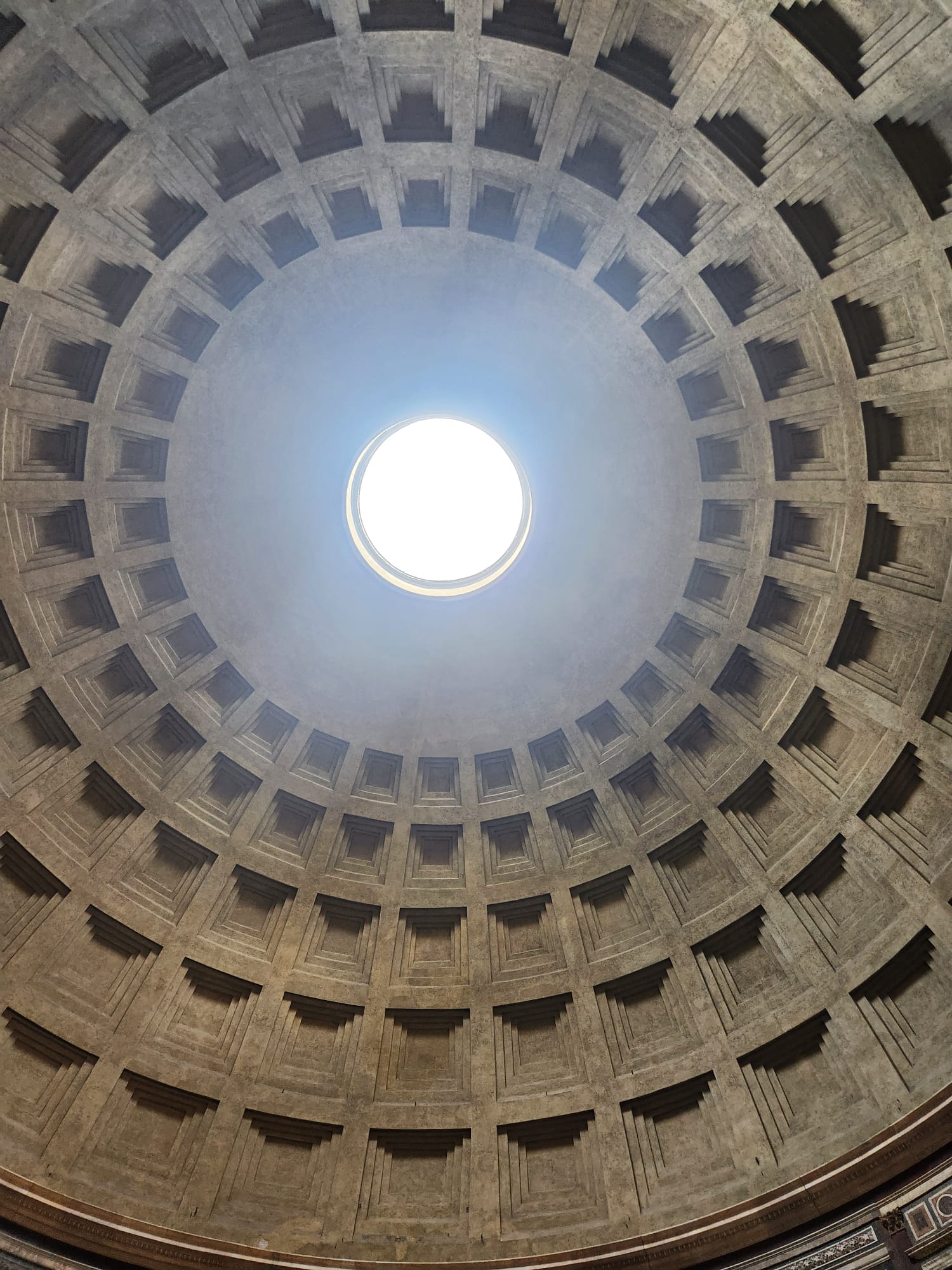
Entering the Pantheon was one of the most powerful spatial experiences of the trip. The perfect geometry of the dome and the oculus at its center create a connection between the interior and the sky.
As light enters through the opening, it moves across the space, changing the atmosphere throughout the day. Knowing that this structure has stood for nearly two thousand years made the experience even more meaningful.
It is a reminder that precision, material, and design can transcend time.
The Energy of the Trevi Fountain
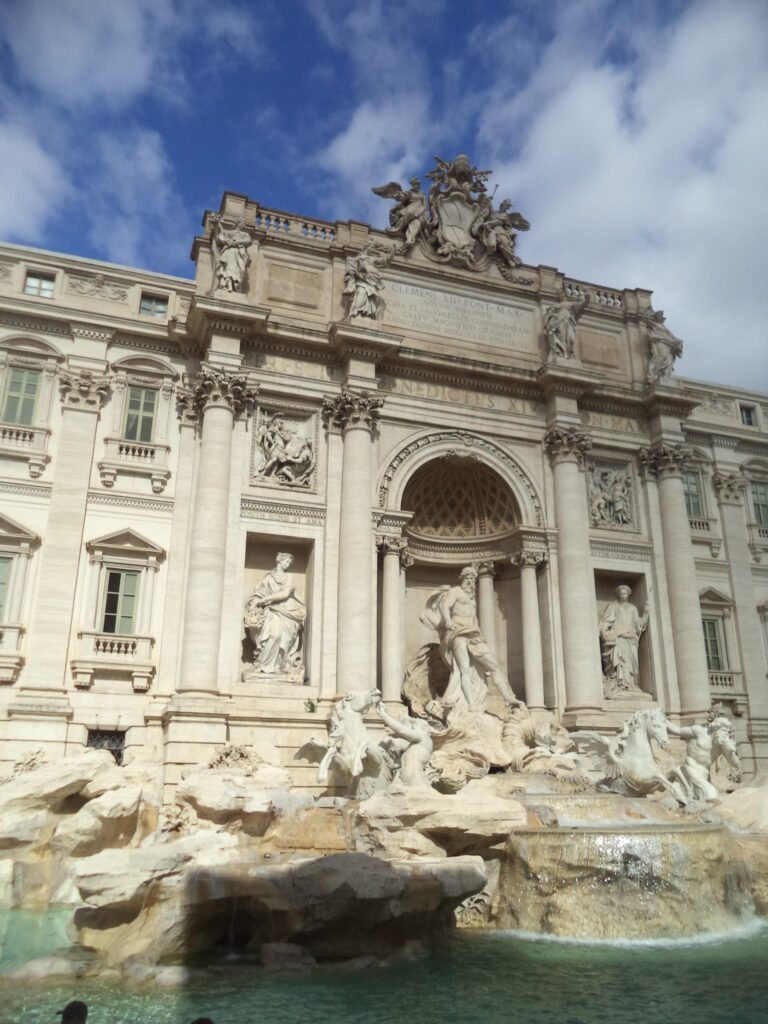
Completely different in atmosphere, the Trevi Fountain was full of movement and sound. Visitors gathered, taking photos, throwing coins, and participating in a shared ritual.
Despite the crowds, there was something special about the collective experience a moment where tourism, tradition, and urban space come together.
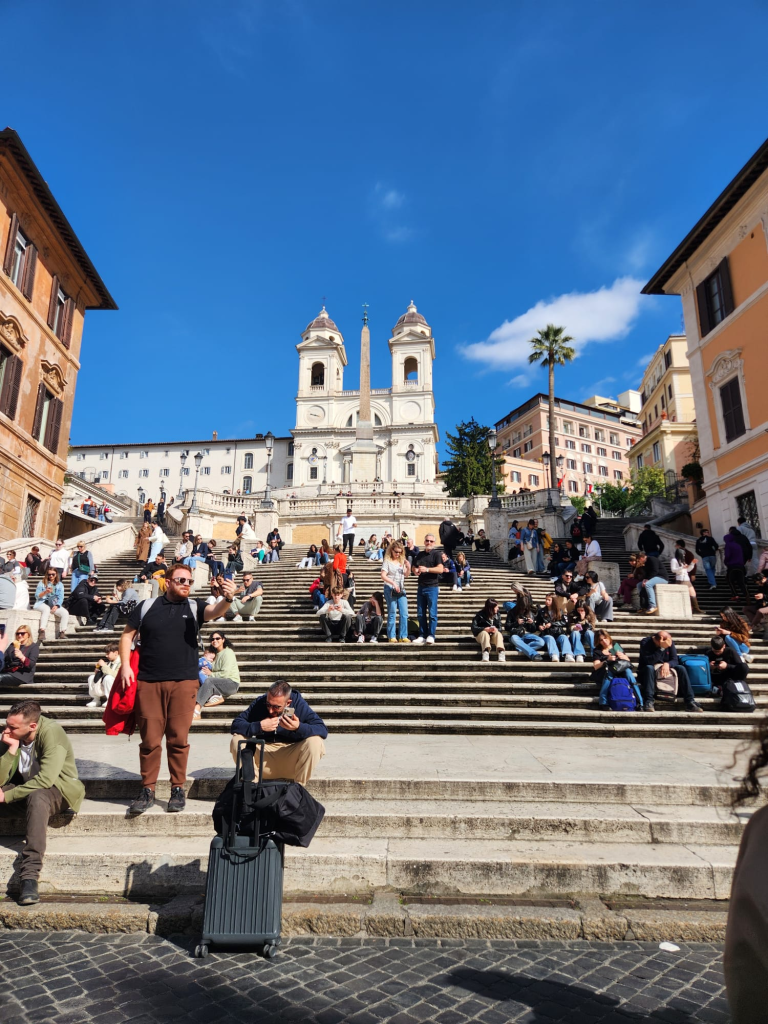
The Steps of the Spanish Steps
Climbing the steps offered a pause. From the top, the city reveals itself differently less overwhelming, more readable.
People sit, talk, and observe. It becomes a place not just to pass through, but to stay.
The Spanish Steps (Piazza di Spagna) are one of the most famous and visited squares in Rome, Italy. Known for its elegant Baroque staircase and monumental surroundings, it is an iconic meeting point for art, fashion, and urban life in the Italian capital.
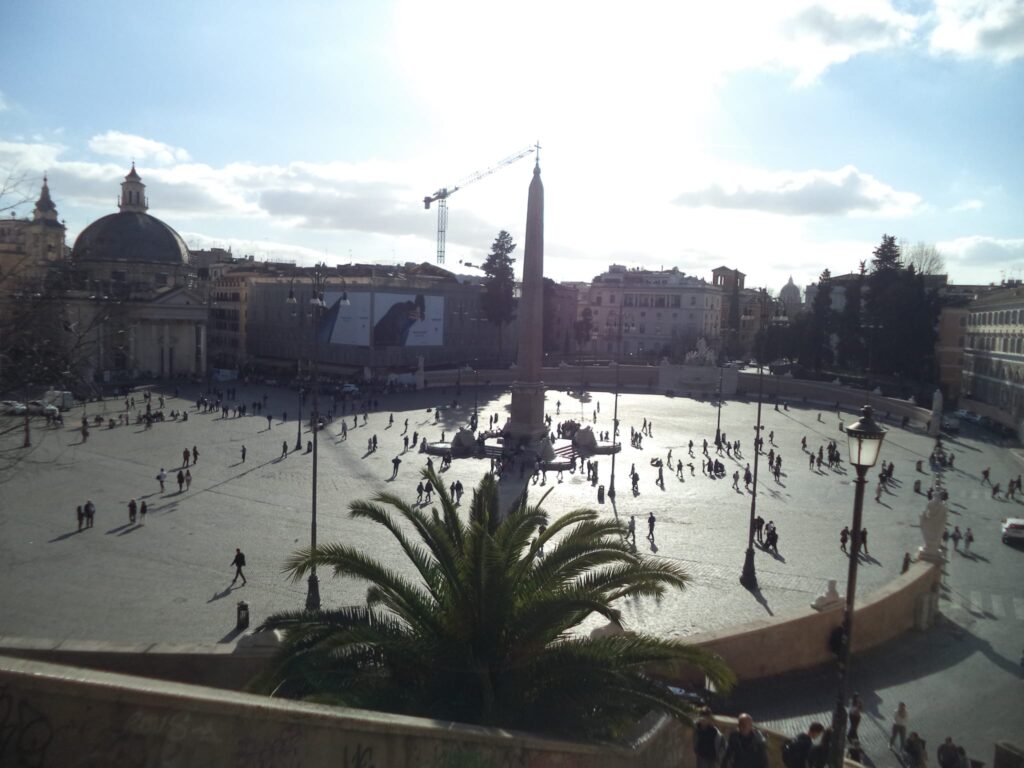
The Openness of the Piazza del Popolo
This space feels broader and more structured. Its openness contrasts with the narrower streets we had been walking through, giving a sense of orientation and scale.
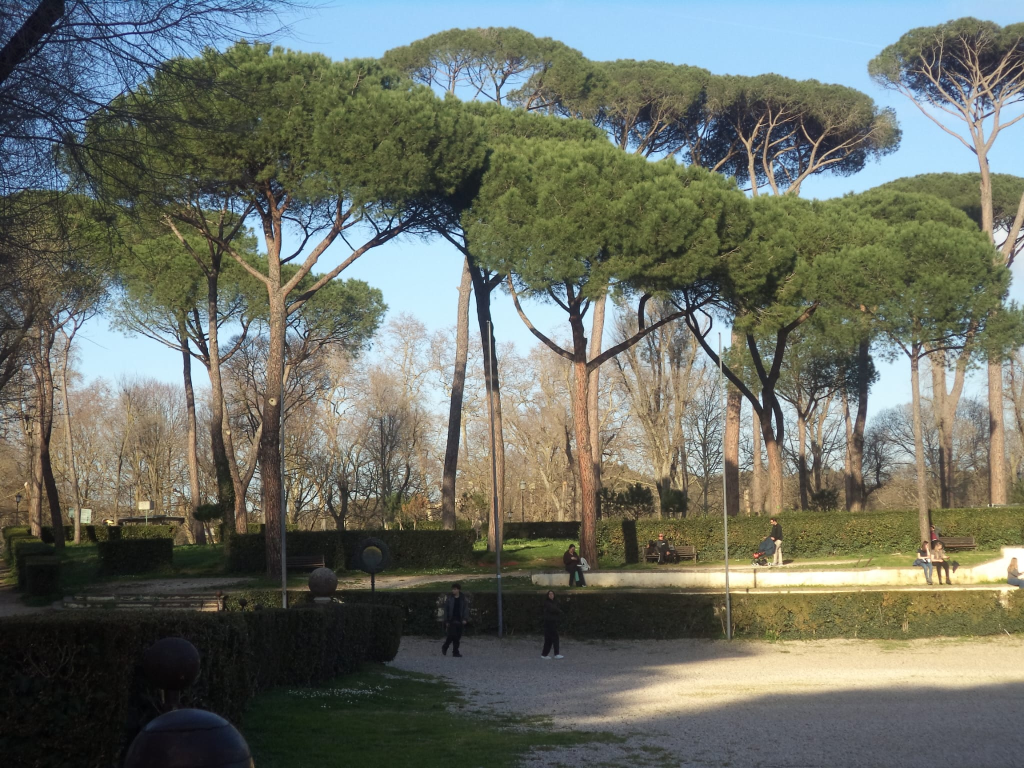
Nature and Sunset at the Villa Borghese
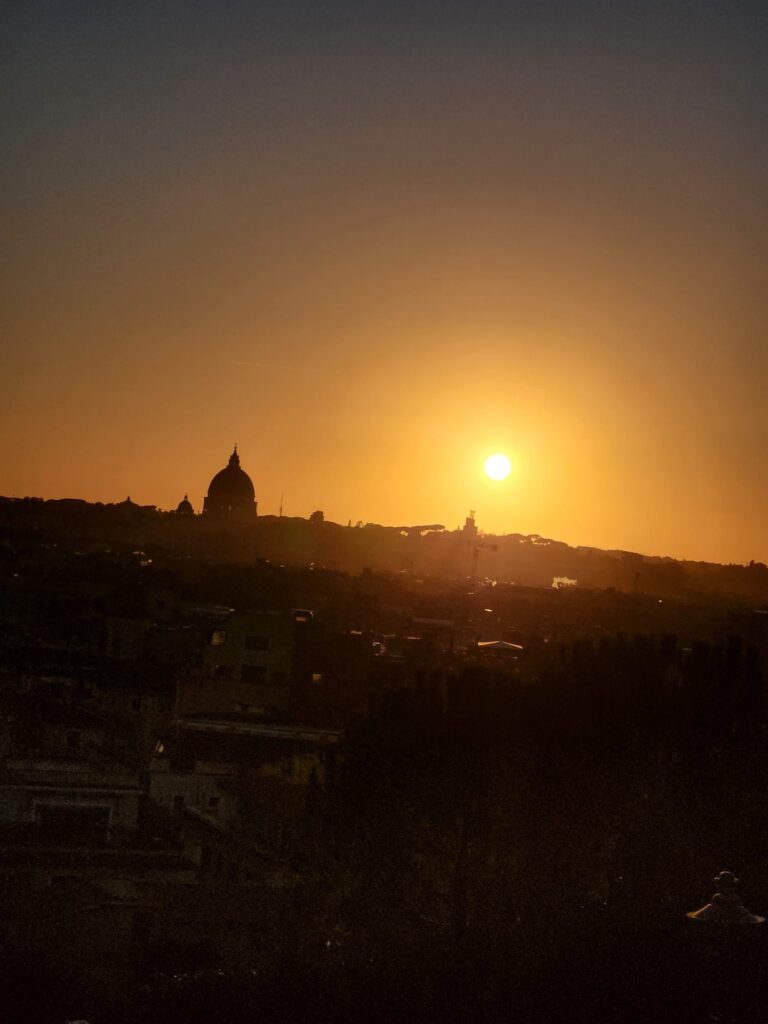
After days of monuments and dense urban fabric, Villa Borghese offered a different rhythm. Walking among trees and open paths allowed us to slow down.
The day ended with a sunset over the city. The light changed gradually, reflecting on rooftops and domes. For a moment, everything felt quiet.
It was one of those moments where no analysis is needed just observation.
Day 5 Goodbye, Rome
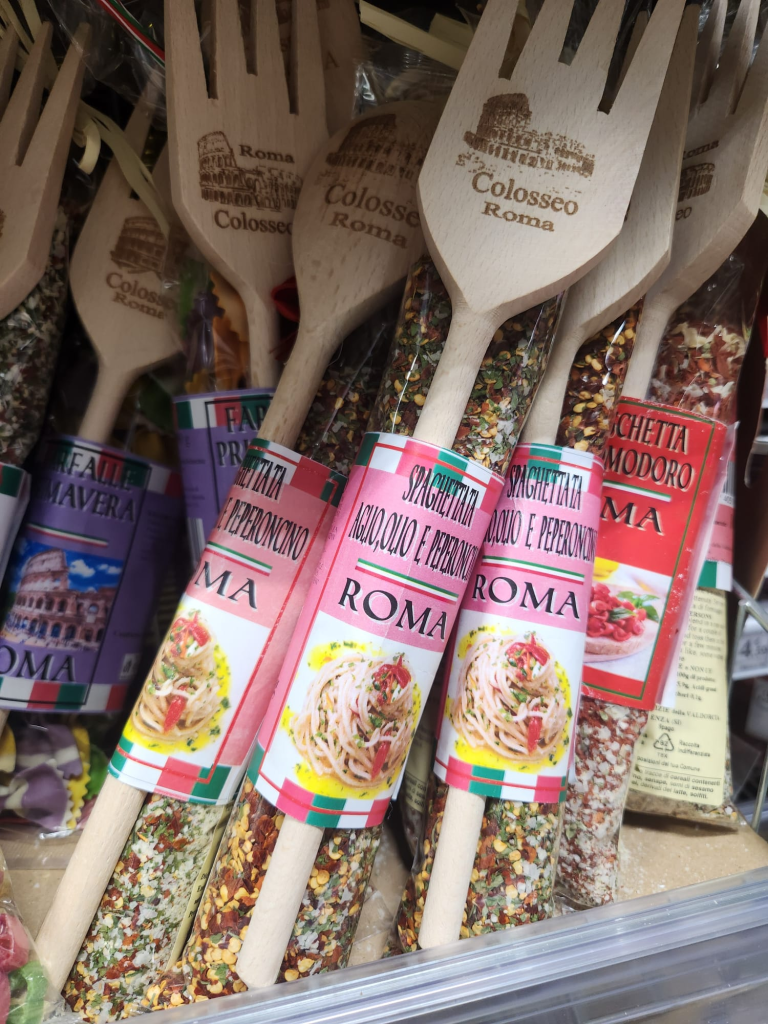
The last day was calm and simple. We walked without a strict plan, bought souvenirs, and stopped for coffee.
There was a different feeling in the air. We were no longer discovering we were saying goodbye.
At the airport, the group felt both tired and grateful. As students, we gained knowledge that no classroom could fully provide. As individuals, each of us experienced the city in a personal way.
Rome was no longer just a place we had studied.
It had become part of our own experience.
We boarded the plane with a sense of nostalgia, but also with something more important: a new way of seeing architecture, the city, and space itself.
Return from Rome
“Rome was not just a study trip; it was an experience that changed the way we see architecture and the city.”