
A half-century dream come true
From Haile Selassie’s vision to Africa’s largest hydroelectric plant. Conceived more than 50 years ago, the GERD overcame financial and diplomatic obstacles and It opened on September 9, 2025 producing 5150 MW of electricity to boost Ethiopia’s electrification and the region.
A dream of generations has come true.
The GERD dam has been built on the Abay River /blu naile/ in the Guba region, Bensahngul
The dam has an artificial lake covering 270 k/m.
It holds 74 billion cubic meters of water.
The dam has 13 turbines and produces 5,150 MW of electricity.
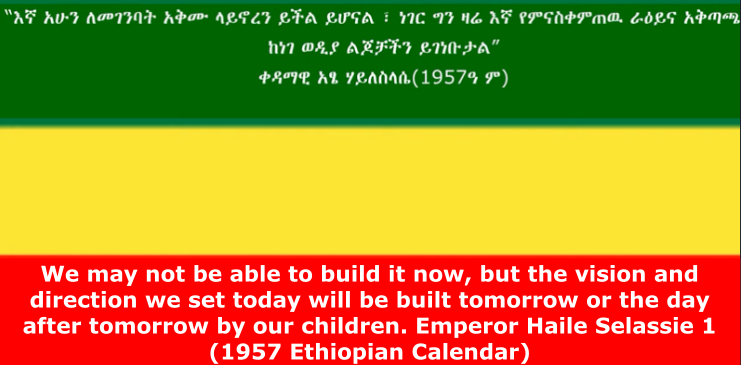
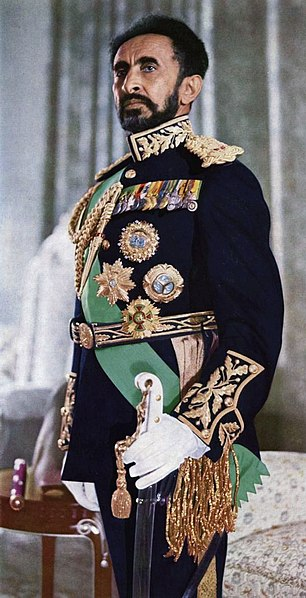
A dream born under Haile Selassie
More than half a century ago, Emperor Haile Selassie I of Ethiopia promoted the idea of building a massive dam on the Abay River (Blue Nile) to spur the country’s industrialization. Lack of funding, diplomatic difficulties, and geopolitical tensions forced the project to be postponed for decades.
The challenge of electrification in Ethiopia
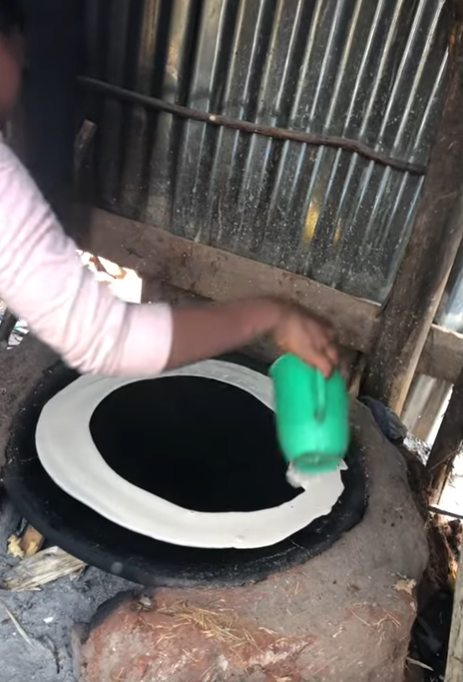
For decades, a significant portion of the country especially rural areas lacked reliable electricity. Limited electricity coverage impacted healthcare, learning, and access to safe water. Expanding the grid and generating clean energy became a national priority
How it became possible: people and state
The Grand Ethiopian Renaissance Dam (GERD) was reborn in the 21st century and financed in a unique way: voluntary contributions from the people bonuses and donations from millions of citizens and state funds allocated to the project. Beyond its engineering value, the GERD is a symbol of independence and national pride.
GERD gran construction works. A feat of engineering and social mobilization unprecedented in Ethiopia.
Diplomacy and Challenges
The GERD’s progress occurred in parallel with complex discussions with Nile riparian countries. Concerns over the flow and regional coordination required ongoing dialogue. Ethiopia championed the need to guarantee energy for its population and promote energy cooperation.
Diplomatic Meetings among Nile Countries
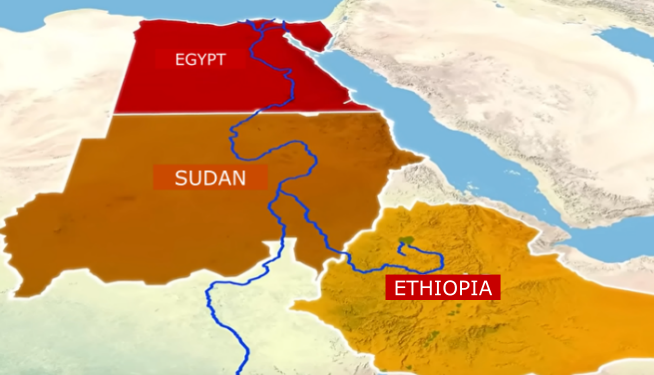
Rounds of dialogue to ensure shared benefits in the basin.
The countries living in this large and accessible river basin should regularly discuss and resolve issues for mutual benefit, while considering and addressing the damage caused by climate change.
Farmers living in the river basin should be encouraged to optimize their livelihoods and become the primary users of water, thereby preventing the generation of pollutants that contribute to climate change and protecting the environment.
Capacity and Impact
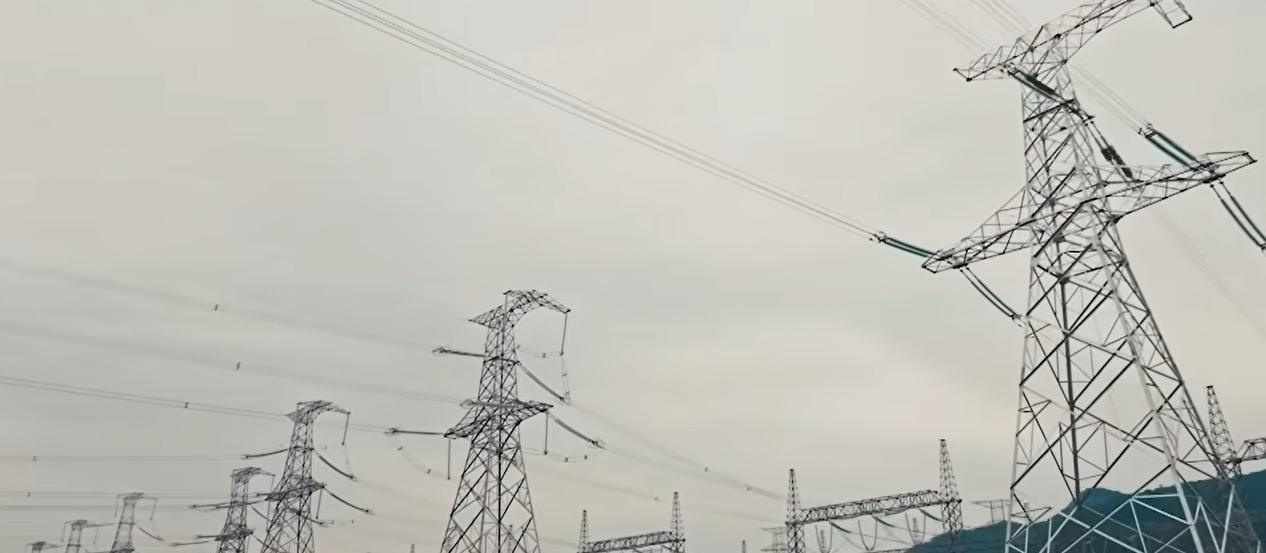
With 5150 MW of capacity, the GERD boosts electrification, improves grid resilience, and opens opportunities to export electricity to neighboring countries, strengthening regional integration.
Some of the largest hydroelectric power plants on the planet.
| Presa | País(es) | Río | Capacidad (MW) | Año de inicio de operación* |
|---|---|---|---|---|
| Tres Gargantas | China | Yangtsé | 22.500 | 2012 |
| Baihetan | China | Jinsha | 16.000 | 2022 |
| Itaipú | Brasil–Paraguay | Paraná | 14.000 | 1984 |
| Xiluodu | China | Jinsha | 13.860 | 2014 |
| Belo Monte | Brasil | Xingu | 11.200 | 2016 |
| Guri (Simón Bolívar) | Venezuela | Caroní | 10.235 | 1978 |
| Tucuruí | Brasil | Tocantins | 8.370 | 1984 |
| Wudongde | China | Jinsha | 10.200 | 2021 |
| Grand Coulee | Estados Unidos | Columbia | 6.809 | 1942 |
| Sayano–Shushenskaya | Rusia | Yeniséi | 6.400 | 1978 |
| Tarbela | Pakistán | Indo | 4.888 | 1976 |
| GERD | Etiopía | Abay (Nilo Azul) | 5.000 | — |
Perfect places for your vacation
One response to “The Grand Ethiopian Renaissance Dam (GERD): A half-century dream come true”
-
A very interesting article, congratulations!

Leave a Comment