Rome is not just a tourist destination. It is a city where history is still alive in every street.
As fourth-year architecture students, we traveled to the Eternal City for five days to experience, explore, and understand some of the most important spaces in Western history. What began as an academic trip quickly became something more personal and transformative.
This is our diary.
Rome is not just a tourist destination. It is a city where history is still alive in every street.
As fourth year architecture students, we traveled to the Eternal City for five days to experience, explore, and understand some of the most important spaces in Western history. What began as an academic trip quickly became something more personal and transformative.
This is our diary.
Day 1 – Arriving in Rome and Seeing the Colosseum at Night
Arrival: Rome from the Sky
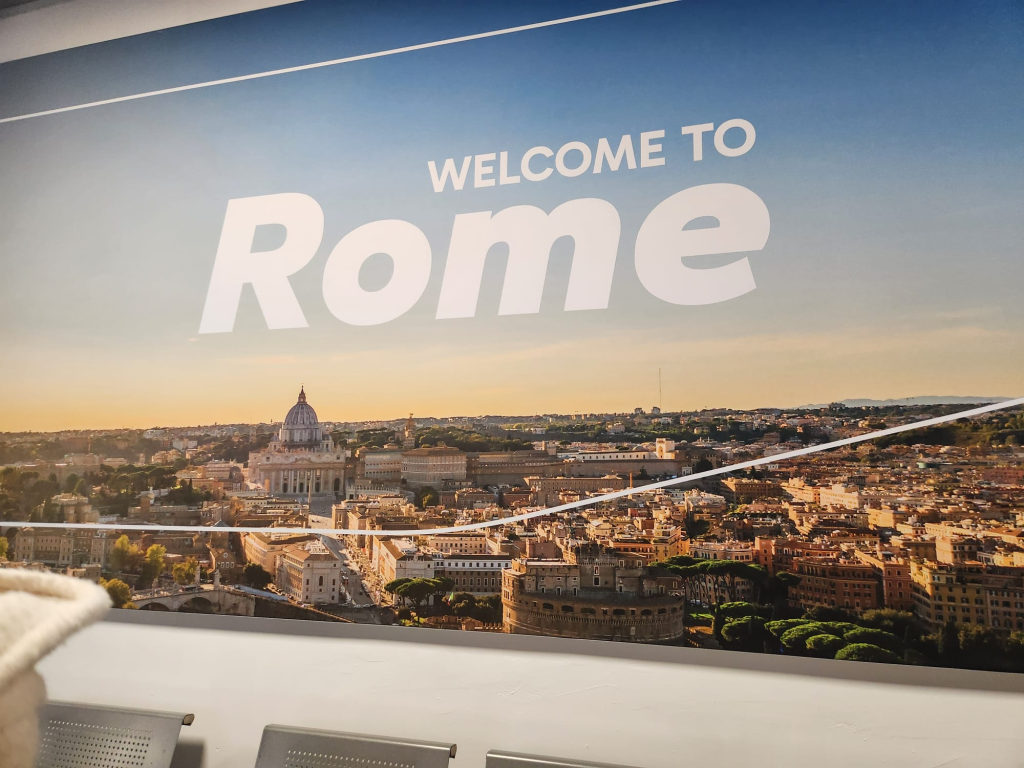
Our journey began even before landing. From the airplane window, we could see the city stretching out beneath us domes rising above dense urban fabric, green patches interrupting the compact layout, and layers of history merging into one landscape.
Seeing Rome from above helps you understand its true scale. It is not a modern city with isolated monuments; it is an accumulation of centuries
Arrival: Rome from the Sky
Our journey began even before landing. From the airplane window, we could see the city stretching out beneath us domes rising above dense urban fabric, green patches interrupting the compact layout, and layers of history merging into one landscape.
Seeing Rome from above helps you understand its true scale. It is not a modern city with isolated monuments; it is an accumulation of centuries.
Seeing Rome from above helps you understand its true scale.
It is not a modern city with isolated monuments; it is an accumulation of centuries.
First Night at the Colosseum
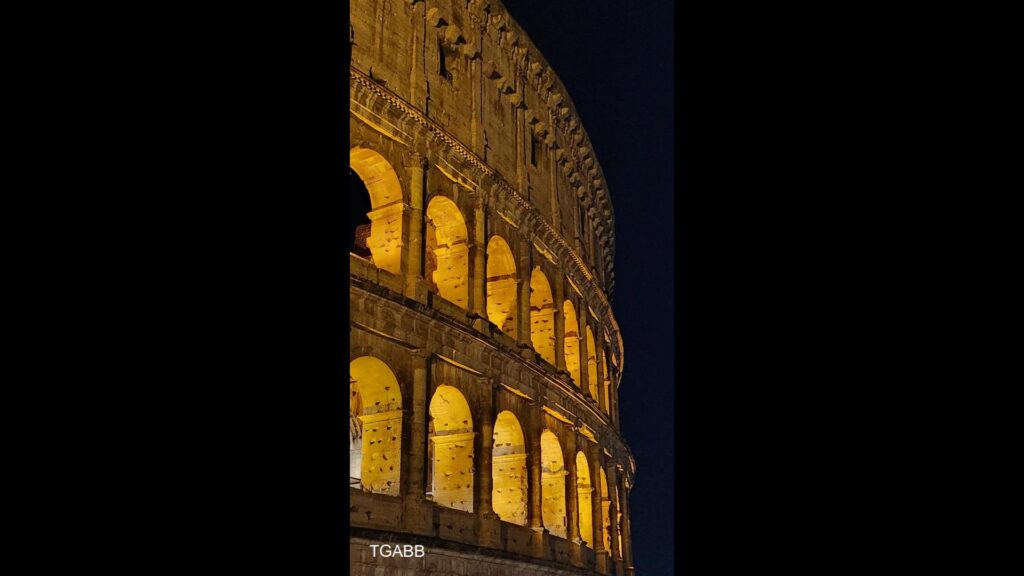
That same night, we had our first powerful encounter: the Colosseum illuminated.
Seeing it at night is a completely different experience. The lighting emphasizes the arches, deepens the shadows, and makes the monumentality even more striking. It is not just an ancient structure it is a symbol of endurance.
As students, we tried to analyze its proportions and structure. But there was also a moment of silence. Just observing.
Dinner Near the Colosseum
After walking and documenting for hours, we had dinner at a small restaurant nearby.
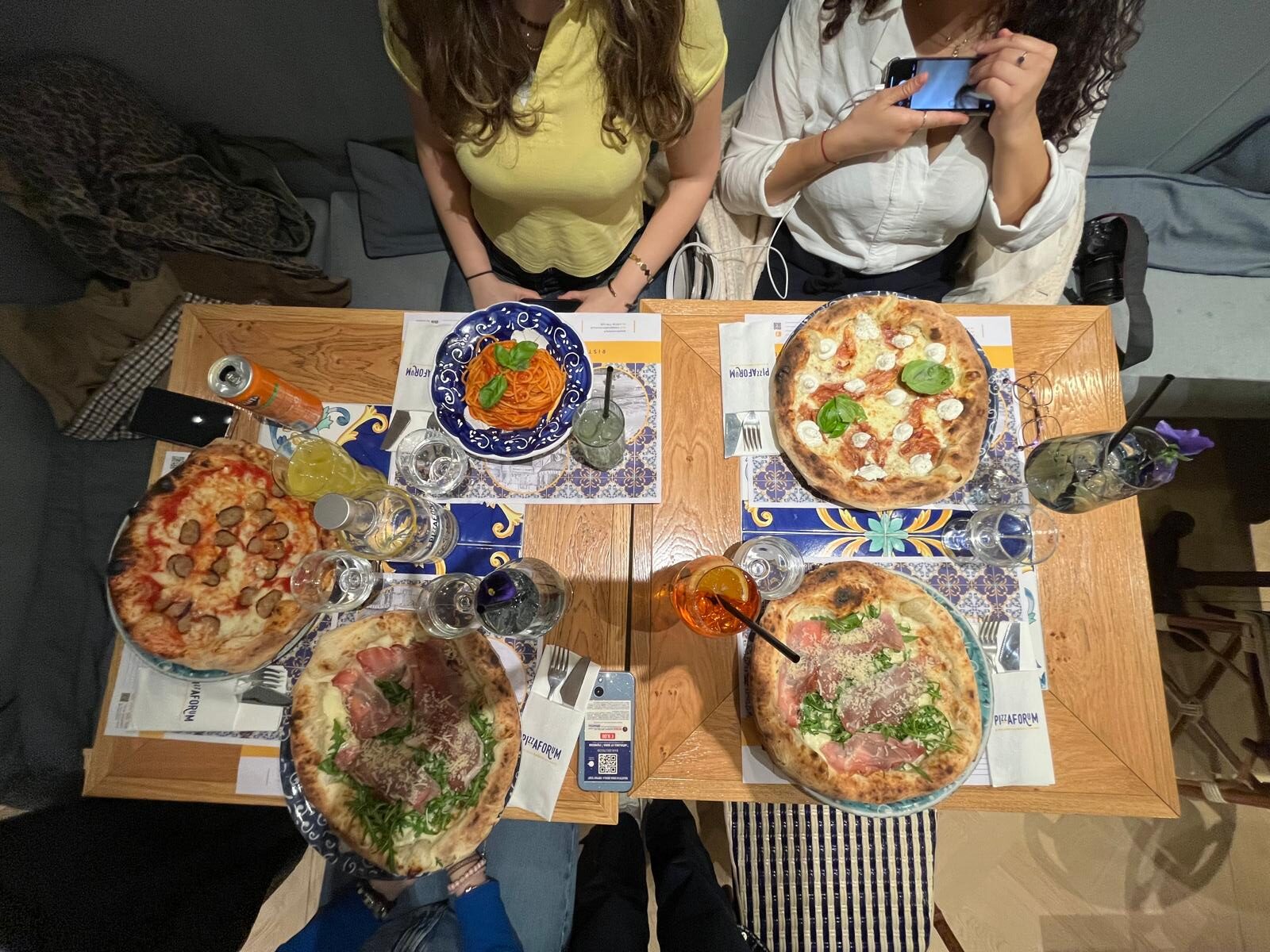
Pizza, spaghetti, and cold drinks simple but perfect. Sitting there, still thinking about what we had just seen, we talked, laughed, and reviewed our photos.
History in front of us. Italian food on the table.
We went to sleep that night knowing this was only the beginning.
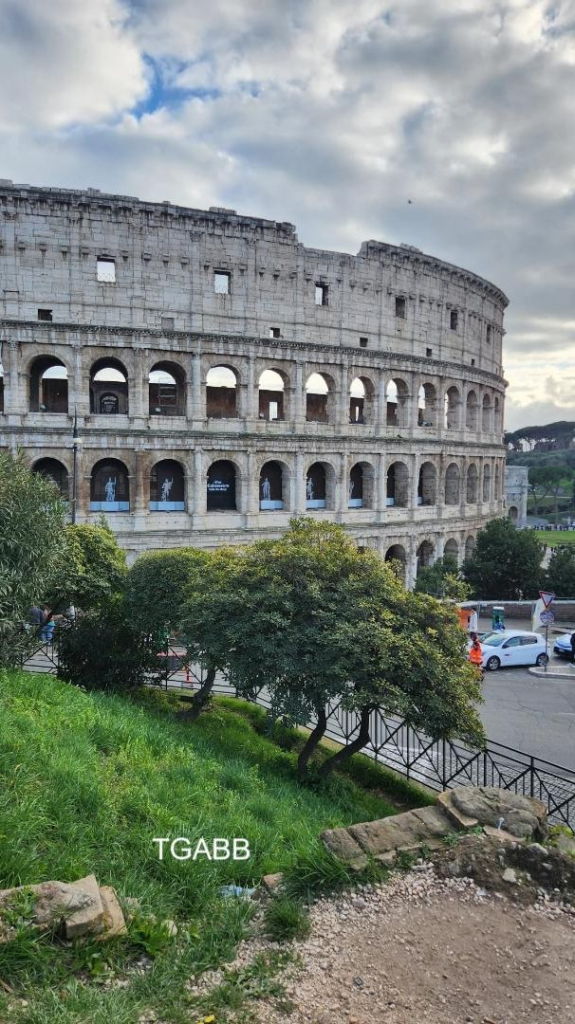
The Colosseum, night photo from a different position
Day 2 – Squares, Monuments, and Living Ruins
If day one was about impact, day two was about walking and discovering.
The Energy of Piazza Navona
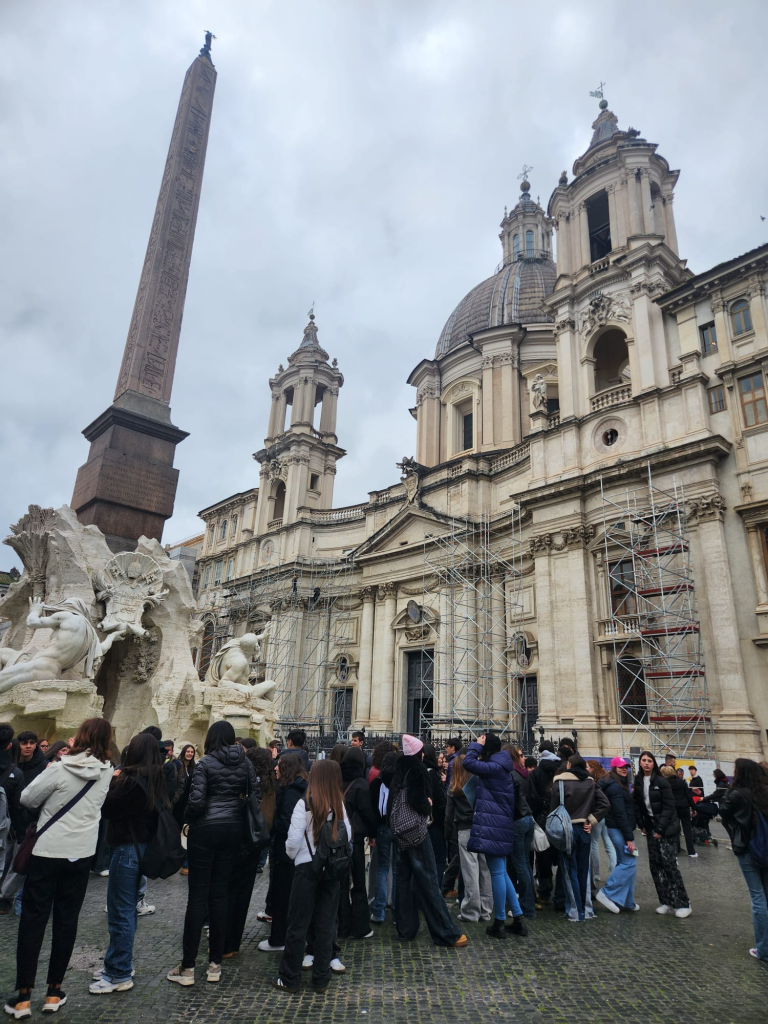
Full of life and movement, Piazza Navona shows how Rome turns history into everyday public space.
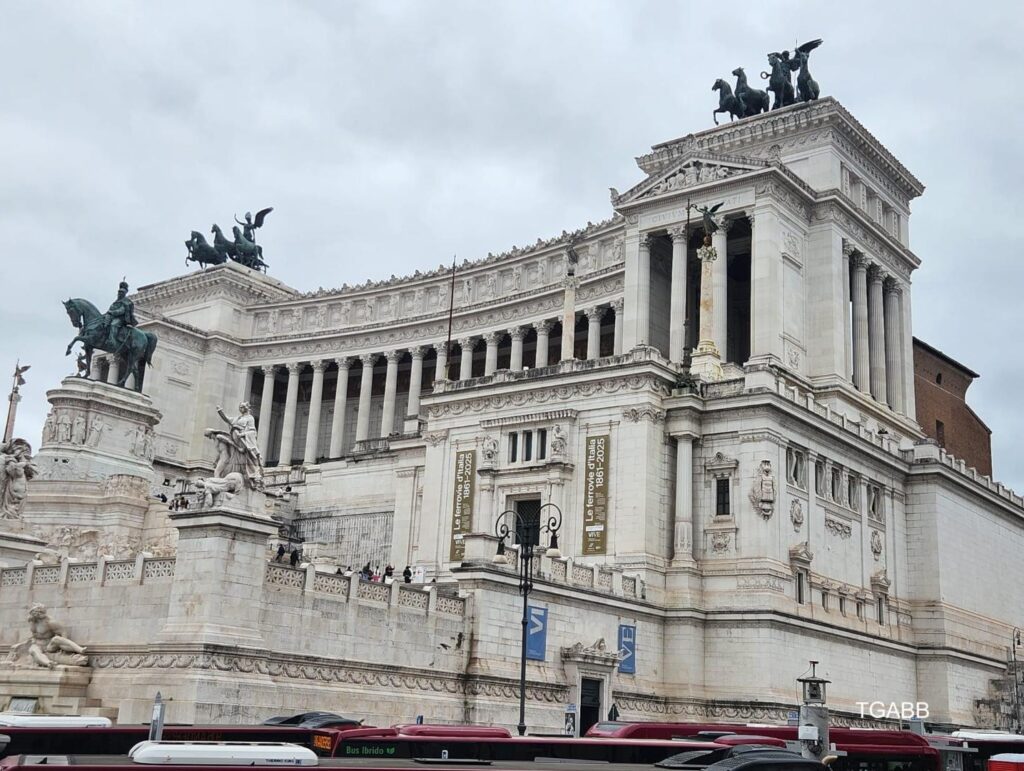
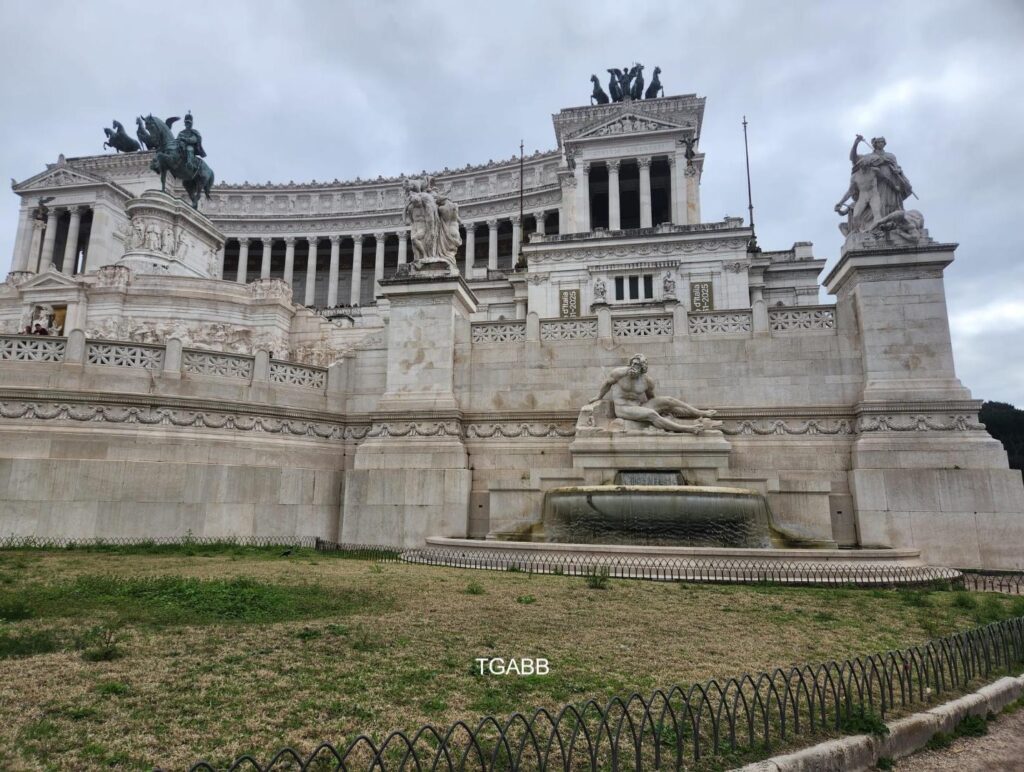
The Imposing Monument to Vittorio Emanuele II
We continued toward the Monument to Vittorio Emanuele II, one of the most striking landmarks in central Rome.
The monument was dedicated to Vittorio Emanuele II, the first king of a unified Italy. After centuries of division into separate kingdoms and territories, he became the political symbol of national unity in the 19th century. For that reason, the monument represents not just a historical figure, but the birth of modern Italy.
Built primarily in white marble, its scale is monumental. The grand staircase, the Corinthian columns, and the massive equestrian statue of the king dominate the composition. Inside the complex lies the Tomb of the Unknown Soldier, adding further national and symbolic importance to the site.
Architecturally, the monument stands in strong contrast to the surrounding city. While much of ancient Rome is defined by warm tones and aged materials, this bright white structure sharply stands out in the urban landscape. This contrast has sparked debate: some consider it excessive, while others see it as a powerful statement of national identity.
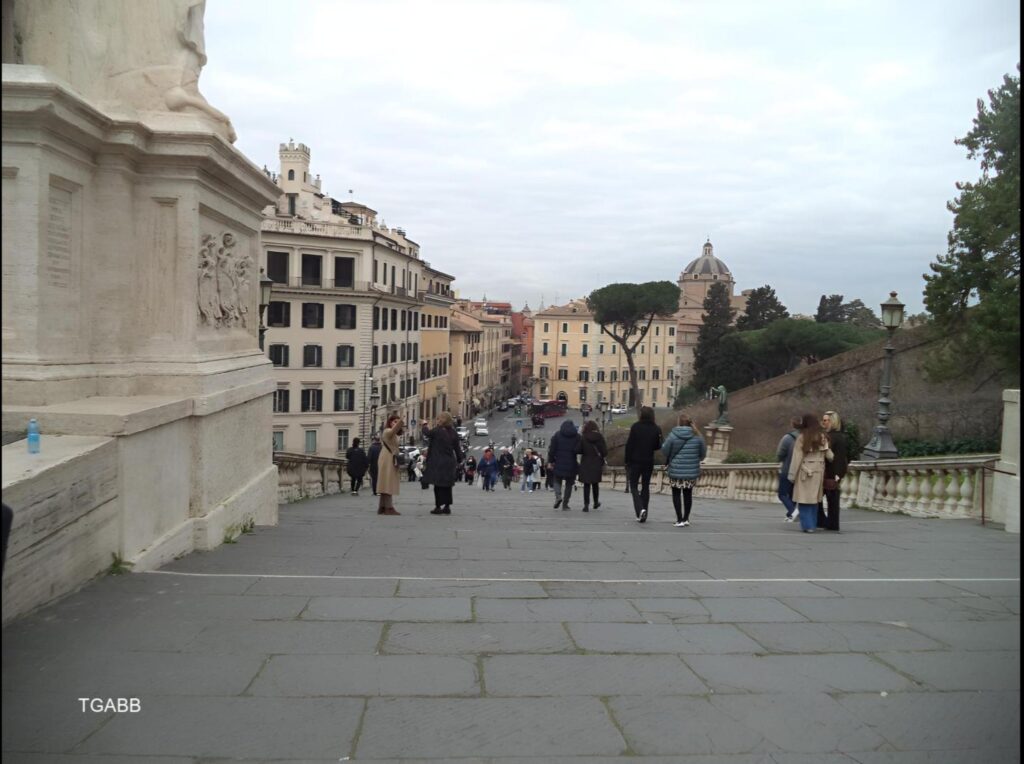
From the top, the panoramic views help visitors better understand Rome’s structure and its coexistence of ancient heritage and modern history.
The Harmony of Piazza del Campidoglio
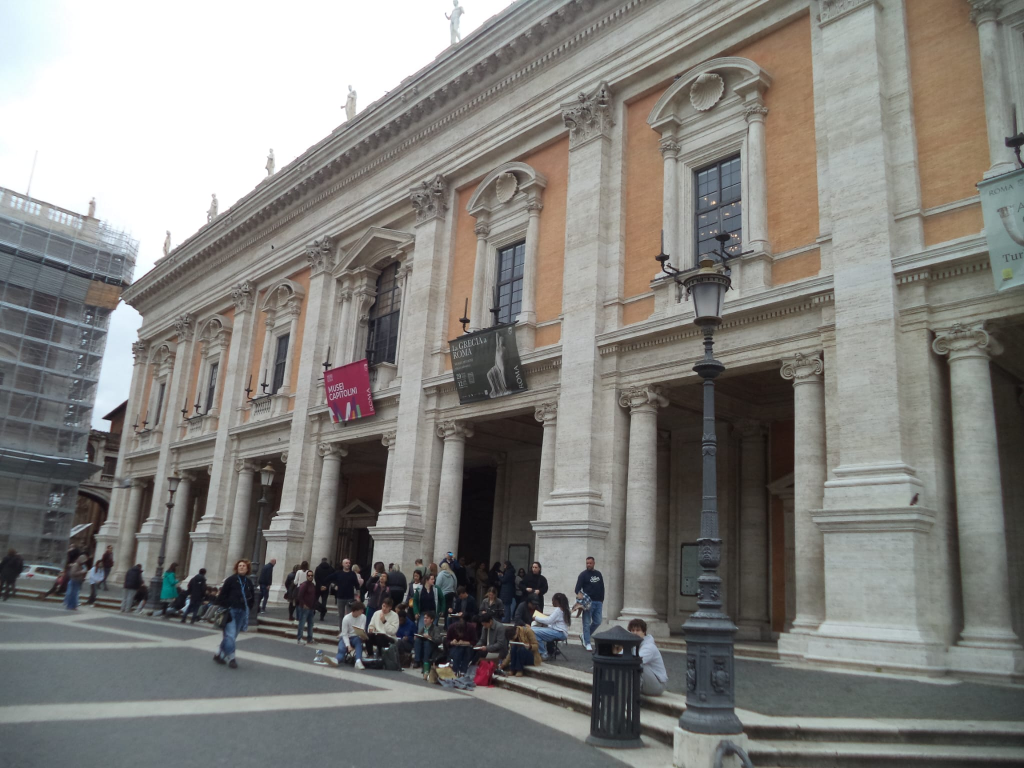
A space that invites pause and reflection. Unlike other lively and noisy squares in Rome, this one feels composed and intentional. Its trapezoidal shape and the carefully arranged surrounding buildings create a strong sense of balance and direction. Nothing feels random.
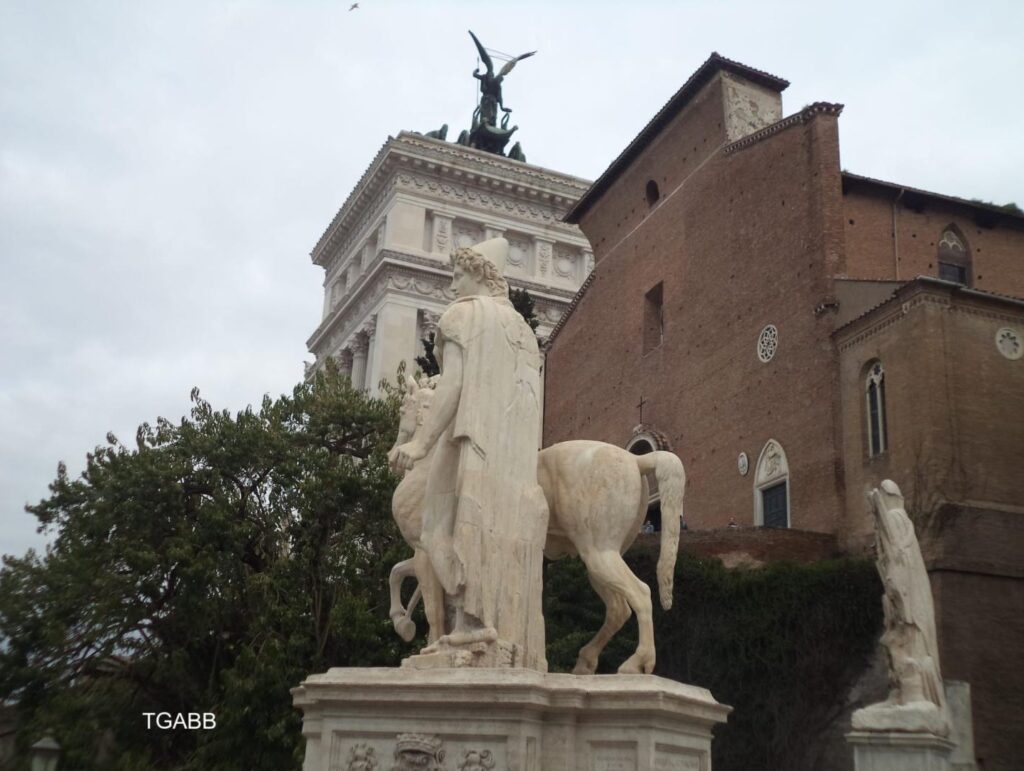
The geometric pavement pattern draws your attention toward the equestrian statue at the center, while the staircase provides a gentle transition from the busy city below into this more controlled and harmonious space.
Even without knowing the architectural history, visitors can sense that the space was designed to create a particular experience one of calm, observation, and awareness.
As students, it was fascinating to realize how proportion, symmetry, and perspective influence our emotions without us consciously noticing. It is not just a beautiful square; it is a clear example of how design shapes the way we experience a place.
Inside and Outside the Colosseum
If the night before we saw it illuminated from the outside, this day we experienced it from within.
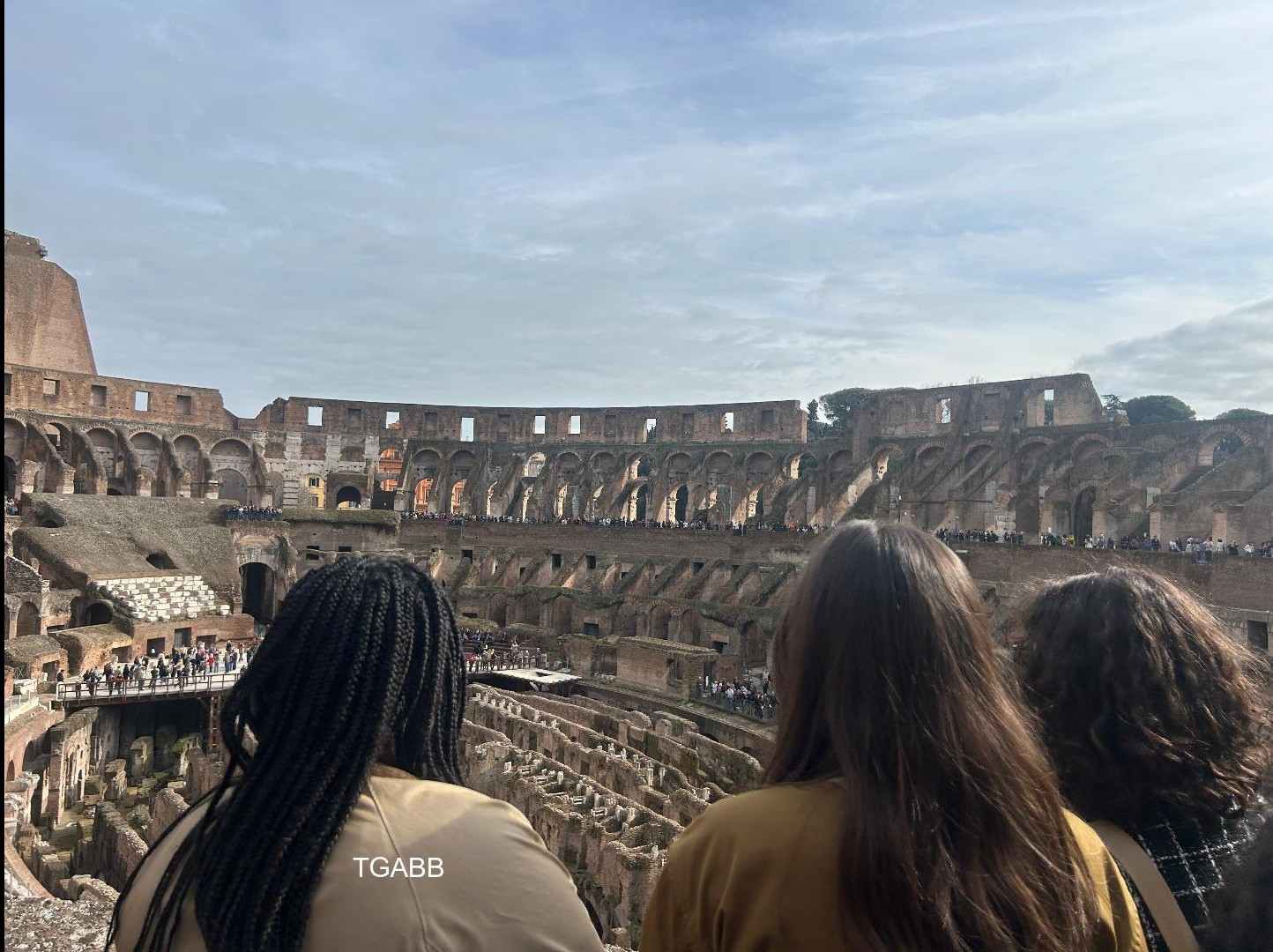
From the upper tiers, the true scale of the space becomes clear. Imagining it filled with thousands of spectators centuries ago completely transforms the experience. It is no longer just an impressive structure; it becomes a human stage. Thinking about the noise, the anticipation before each spectacle, and the energy of the crowd makes the stone walls feel less static and more alive.
As we observed the internal organization, the logic of its design became evident: strategically distributed entrances, circulation systems carefully planned to move massive crowds efficiently, and a repetitive structural rhythm that provides both stability and visual harmony.
Even though earthquakes and time caused partial collapses, the construction system remains readable and surprisingly coherent.
Being inside allowed us to understand something that cannot be fully perceived from the outside: the Colosseum is not powerful only because of its facade, but because of the intelligence behind its design. Even in ruins, it continues to teach.
Insaid the Colosseum por Beza
Walking Through the Roman Forum and Palatine Hill
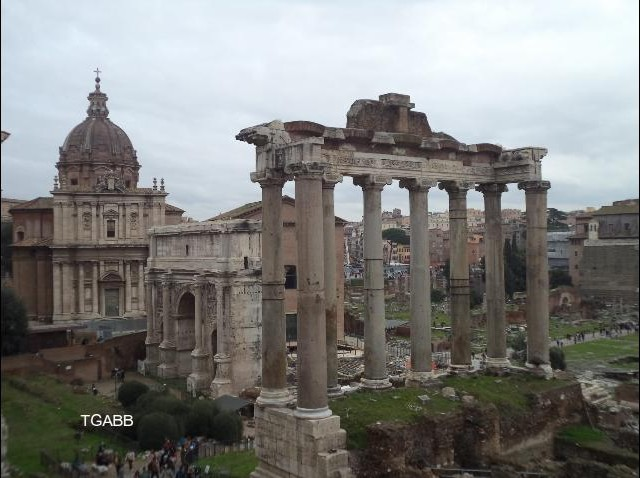
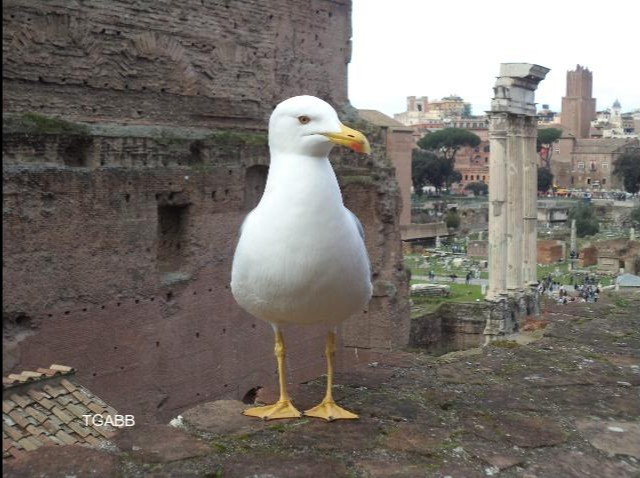
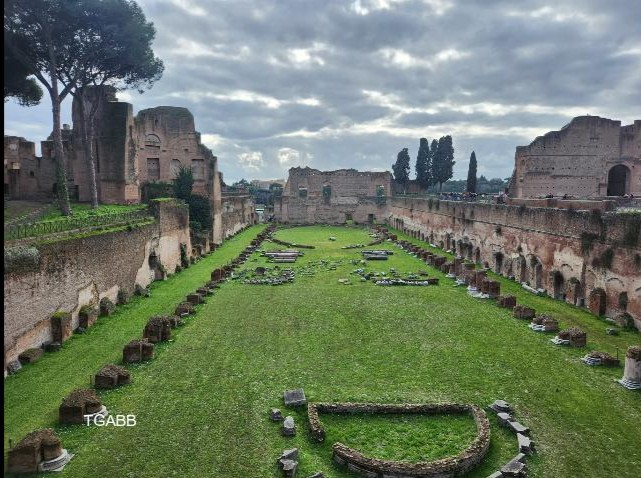
Walking through the Forum and Palatine Hill feels like stepping inside an ancient city. Fragmented columns, worn stone paths, and the remains of temples create an atmosphere that blends grandeur with fragility.
Many of these buildings were constructed using stone, marble, and one of the most innovative materials of the time: Roman concrete. This combination allowed the creation of monumental structures that, even centuries later, still partially stand. However, time, earthquakes, invasions, looting, and the reuse of materials led to the gradual collapse of many public buildings and temples.
During the Middle Ages, several structures were dismantled so their stones could be reused in newer constructions. What we see today as “ruins” is not only the result of decay, but also of continuous transformation.
Walking among these remains is not just about observing what survives, but imagining what once stood whole: lively public squares, intact temples, and buildings covered in shining marble. The ruin does not only speak of destruction it speaks of endurance.
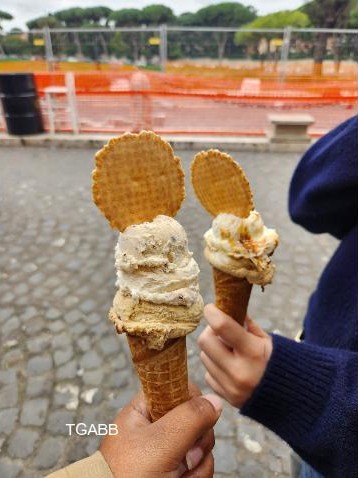
The simplest moment: gelato and relaxation
After hours of walking, observing, and photographing, the simplest moment of the day arrived: an ice cream in a random plaza.
Amid laughter and conversations about our experiences, we realized that this trip wasn’t just academic. It was a shared experience that would stay with us for a long time.